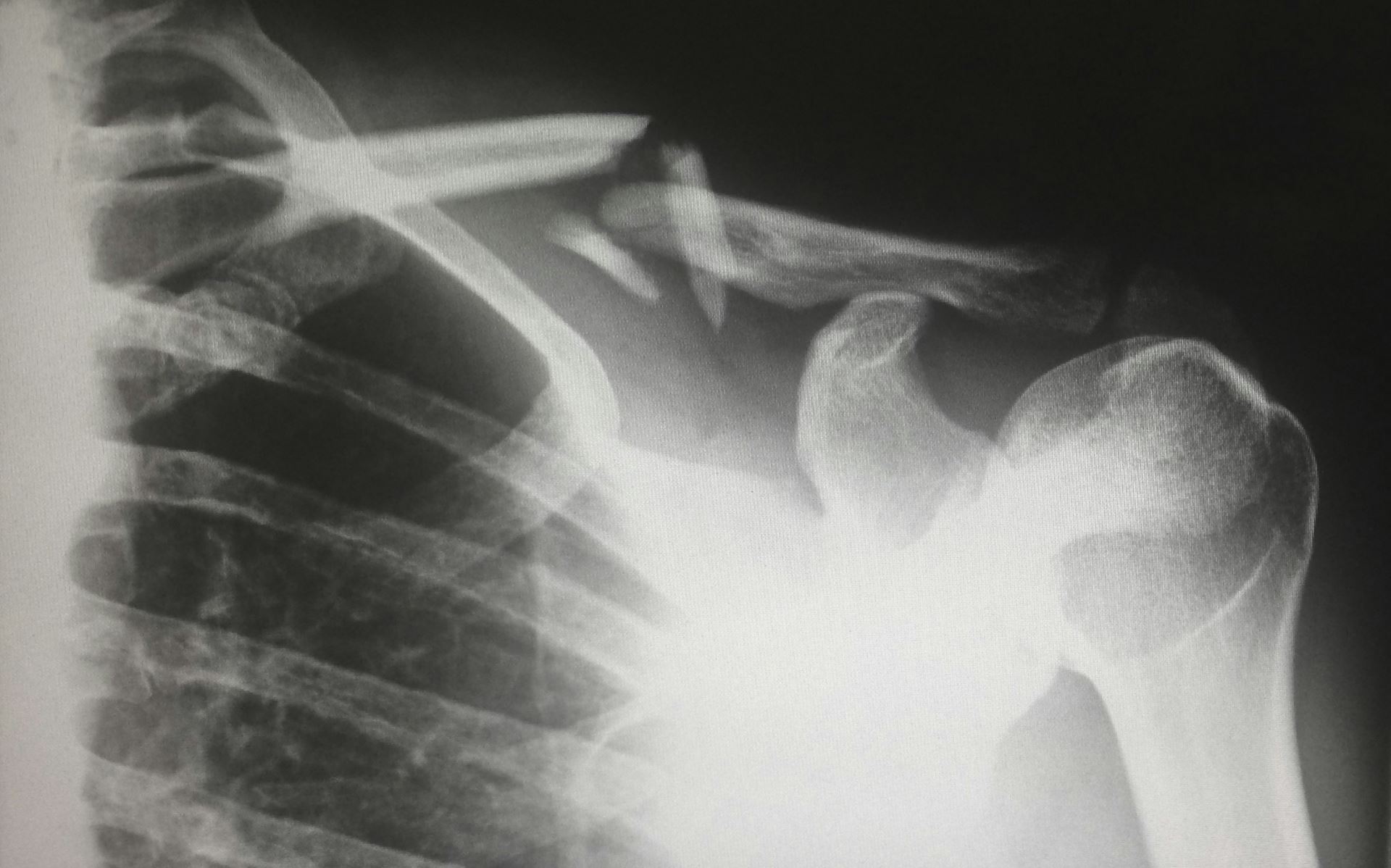
Bone health (osteoporosis and osteopenia)
For patients of Kensington Medical Centre, Belfast
Good bone health helps you stay active, steady and pain-free. This page explains what weak bones are, how we check risk, and what you can do to protect your bones. It follows NHS and NICE guidance.
What do Osteoporosis and Osteopenia words mean?
- Osteoporosis means bones have become thin and fragile. They break more easily after a small fall or bump.
- Osteopenia means bone strength is a bit lower than average, but not low enough to be called osteoporosis.
- Doctors see this on a bone density scan (DEXA) using a score called a T-score:
- Normal: between +1 and −1
- Osteopenia: between −1 and −2.5
- Osteoporosis: −2.5 or lower.
Who should get a bone health check?
NICE (National Institute for Health and Care Excellence) advises checking fracture risk for:
- All women aged 65 and over
- All men aged 75 and over
- Adults under these ages if they have risk factors, such as a previous fragility fracture, taking steroid tablets, falls, very low body weight, smoking, high alcohol intake, or health problems linked to weak bones (for example coeliac disease, rheumatoid arthritis, thyroid or parathyroid problems).
People under 50 are not usually assessed unless they have major risks (for example, a previous fragility fracture or long-term high-dose steroids).
How do we check your osteoporosis risk?
- We start with a simple questionnaire called FRAX or QFracture to estimate your chance of a broken bone over the next 10 years.
- If your risk is near the point where treatment might help, your clinician may arrange a bone density scan (DEXA). We then recalculate your risk using the scan result.
What treatments are used if your risk is high?
- First-line medicines are often bisphosphonates (for example alendronic acid tablets, risedronate, or zoledronic acid infusions). NICE recommends these when someone is assessed as higher risk, after discussing pros and cons and choosing the lowest-cost suitable option.
- In some higher-risk cases, a hospital specialist may consider other options such as denosumab injections or romosozumab, following NICE criteria.
Your clinician will help you choose the right option for you.
Everyday steps to build stronger bones
- Move your body most days
Weight-bearing and muscle-strengthening exercise helps bones and muscles. Balance work (for example, tai chi) reduces falls. If you are 65+ or at higher risk of falls, NICE recommends tailored, progressive balance and strength exercise.
- Get enough calcium and vitamin D
Aim for a calcium-rich diet (milk, yoghurt, cheese, tinned fish with bones, calcium-fortified foods). Some people should take daily vitamin D (for example older adults, people who cover skin, or those with little sun exposure). NICE PH56 gives details for at-risk groups. Your clinician or pharmacist can advise.
- Cut back on smoking and alcohol
Smoking and drinking more than 14 units a week increase fracture risk.
- Prevent falls at home
Keep walkways clear, use good lighting, wear supportive shoes, and consider grab rails. If you are at higher risk, a falls exercise programme led by trained staff is recommended.
Signs to seek help
Contact the practice if you:
- Break a bone after a simple trip, cough or bend (a fragility fracture)
- Notice you are getting shorter, have a curved back, or have sudden back pain
- Are starting long-term steroid tablets or cancer hormone treatments
We can assess your risk and, if needed, arrange a DEXA scan and treatment following NICE guidance.
After a fracture
If you break a bone, you may be referred to a Fracture Liaison Service (FLS). This team checks bone health, arranges scans, and starts treatment to prevent more fractures. In Belfast, the Trust provides specialist osteoporosis services and FLS support.
How to get help at Kensington Medical Centre
- Call reception to request a bone health review
- Bring a list of your medicines and any history of past fractures.
- We will discuss your risk, lifestyle steps, and whether you need a DEXA scan or medicine
Where this advice comes from
- NICE clinical guideline on assessing fragility fracture risk (who to assess; use of FRAX or QFracture; when to scan).
- NICE technology appraisal on bisphosphonates for treating osteoporosis (medicine choices at higher risk).
- NICE public health guideline on vitamin D supplements for at-risk groups.
- NICE guideline on falls assessment and prevention in older people (exercise and falls advice).
- NHS explanation of DEXA T-scores for osteopenia and osteoporosis.
If you have questions about your own risk, please contact the practice. We are here to help you keep your bones strong and you steady on your feet.